Electro-Stimulation (TENS/EMS)
Technique Type: Active Recovery / Angiogenesis / Nerve Repair
Difficulty Level: Advanced (Requires Equipment)
Most penis enlargement techniques (like hanging or clamping) rely on mechanical stress to induce growth. Electro-Stimulation is different; it relies on biological signaling. By using electrical impulses to involuntarily contract the smooth muscle and stimulate nerves, you can accelerate recovery speeds by up to 50%.
This is not a “primary” growth exercise. You likely won’t gain inches just by shocking yourself. However, it is an elite-level force multiplier. It allows you to train harder and more frequently by flushing out metabolic waste and triggering the release of VEGF (Vascular Endothelial Growth Factor).
How Electricity Improves Size & Quality
Electro-stim works on two distinct pathways: TENS (Transcutaneous Electrical Nerve Stimulation) for sensation/nerves, and EMS (Electrical Muscle Stimulation) for blood flow.
The Science: VEGF & Smooth Muscle
1. Angiogenesis (New Blood Vessels):
Research in the Journal of Sexual Medicine has shown that low-frequency electrical stimulation triggers the release of VEGF. This protein is the chemical signal your body uses to grow new capillaries. More capillaries = higher blood volume capacity = a larger flaccid hang.
2. Smooth Muscle Tone (The “Hard” Flaccid Cure):
If you overtrain, your pelvic floor and penile smooth muscle can spasm, leading to a retracted, “turtled” state. EMS pulses force these muscles to contract and relax rhythmically, breaking the spasm cycle and restoring a heavy, loose hang.
3. Nerve Rehabilitation:
Aggressive stretching can sometimes dull penile sensation. TENS therapy is medically designed to repair nerve signaling. Using this protocol can help restore full sensitivity to the glans if you have gone too hard with an extender.
Timing: Immediately AFTER your workout.
Duration: 15–20 Minutes.
Setting: “Modulated” or “Pulse” (Avoid constant static shock).
Goal: You want a rhythmic “thump” sensation. If your muscle is twitching violently or it hurts, turn it down.
✔ The Verdict: ELITE RECOVERY TOOL
4/5 Stars. This is highly recommended for “Heavy Hangers” or clampers. If you find yourself taking too many rest days because of soreness or turtling, this device is the solution. It actively pumps fresh blood into the deep tissue while you relax.
3-4x
Per Week
Post-Workout Only
⚠ Critical: Pad Placement Guide
Correct placement ensures the current travels through the corpora cavernosa safely.
Place the first electrode pad on the Pubic Mound (the fatty area directly above the base of your penis). Shave this area for better adhesion.
Place the second pad on the Perineum (the “taint” area between the scrotum and anus). This creates a current path through the deep root.
NEVER place pads directly on the glans (head) or the testicles.
Required Gear
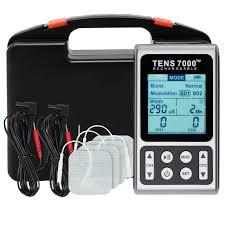
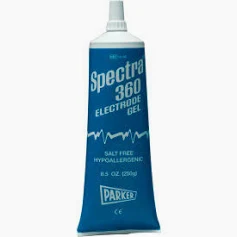
A digital unit is required for safety. Analog dials are too risky.
Works Best With:
-
Warm Bathmate
Use TENS after a warm pump session to lock in the expansion.
-
L-Citrulline
Maximize the blood flow stimulated by the electrical pulses.

Complete Traction Kit
The safest, most effective way to start mechanical lengthening. Includes comfort strap and tension gauge.
Shop Other Traction Devices on Amazon →Do not use this device if you have a pacemaker, defibrillator, or any heart condition. The electrical signals can interfere with cardiac implants.